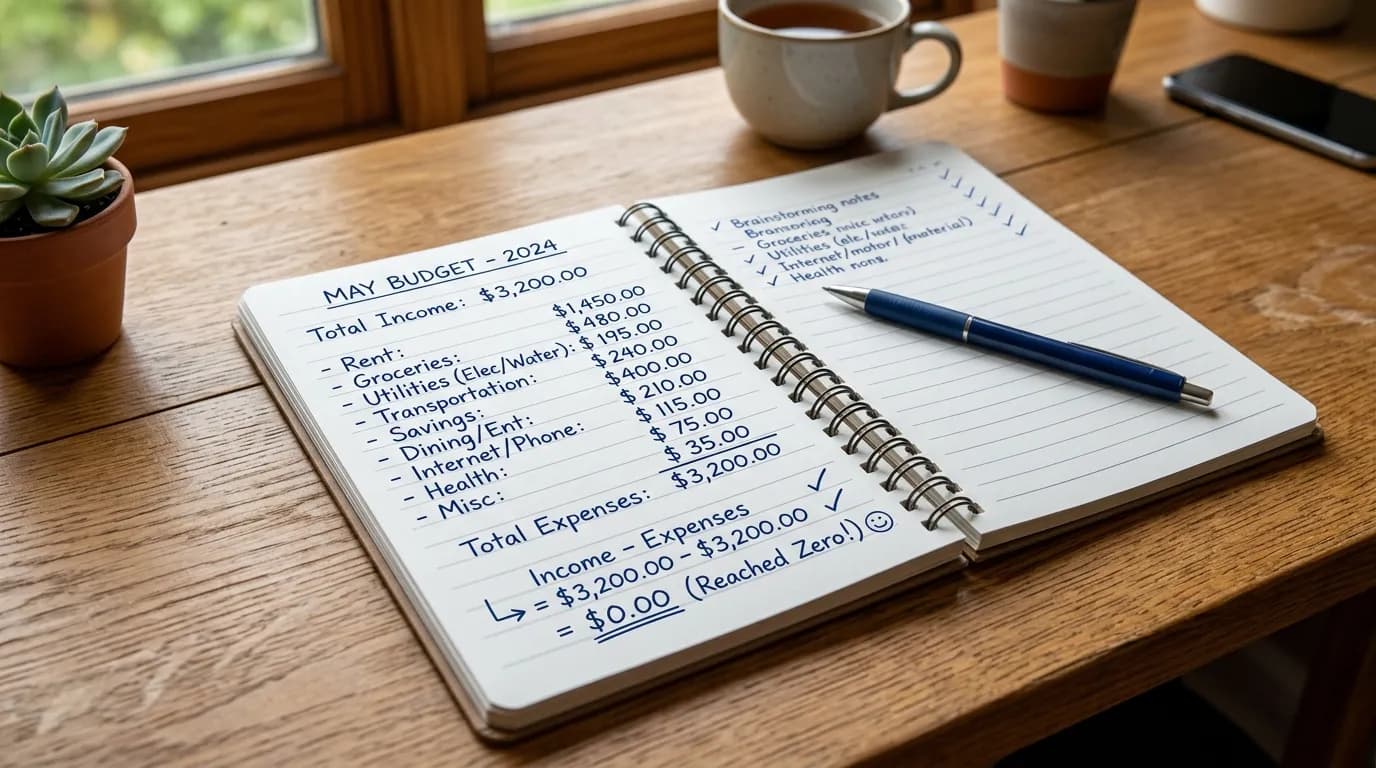

Subscription creep is quiet. A few dollars here, a free trial there, an annual plan you forgot renewed—and suddenly a meaningful slice of take-home pay leaves every month without a decision. A quarterly audit usually finds unused charges. All U Want treats subscription cutting as a money-basics skill: see everything, keep what you truly use, cancel the rest the same day, and slow down new sign-ups with a thirty-day wait.
This is not an anti-streaming manifesto. Paid tools can be worth every cent when they replace chaos, teach a skill, or bring joy you actually consume. The goal is intentional recurring spending—not a house haunted by forgotten trials.
Why subscriptions deserve their own audit
One-time purchases hurt once. Subscriptions hurt on a schedule. Humans are bad at noticing small repeated losses, especially when billed to a card that also buys groceries. Marketing teams know this. Free trials convert because cancellation requires effort on a future day when you are busy.
Annual plans disguise cost by asking only once. Twelve dollars monthly and one hundred twenty yearly feel different even when they are related. Your audit should convert everything to a monthly equivalent so comparisons are honest.
Subscriptions also multiply across ecosystems: bank card, store card, PayPal, Apple, Google, Amazon, gaming platforms, cloud storage, newsletters, box clubs, gym add-ons, software seats, donation memberships, and “premium” tiers inside apps you already use. If you only check one statement, you will miss half the story.
All U Want pairs this work with spending tracking and a weekly money date because visibility is the cure. You cannot cancel what you never see.
1. List every recurring charge
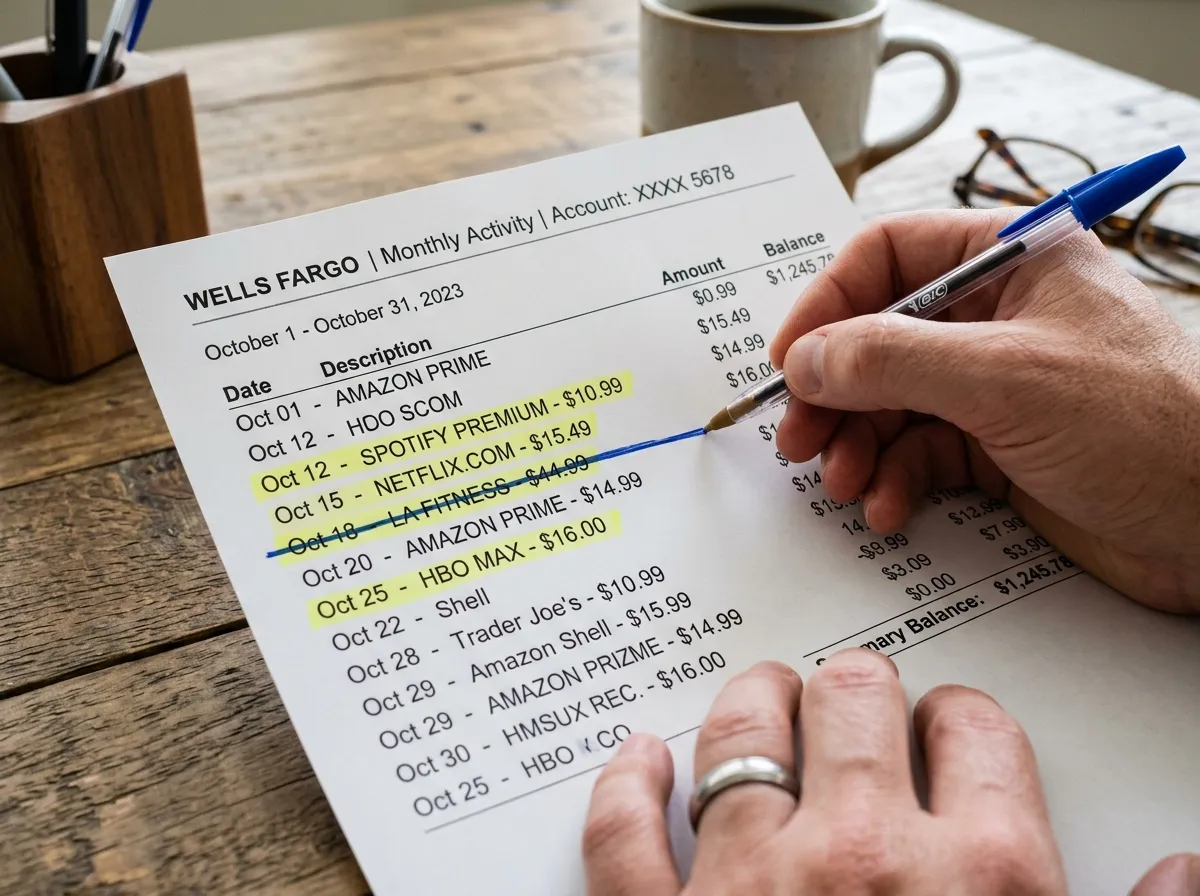
Check bank and app store statements for the last sixty days. Make a simple table: name, amount, billing frequency, last time you truly used it, and payment method. Include trials that have not billed yet if you remember signing up. Include annual charges from the past year even if they did not hit in the last sixty days—otherwise you get ambushed at renewal.
Pull statements from every place money leaves: primary checking, credit cards, digital wallets, and app store purchase histories. Search email for words like “receipt,” “renewal,” “membership,” and “your trial.” Old welcome emails are fossils of subscriptions still alive.
Do not trust memory. Memory says you have four subscriptions. Statements often say eleven. The gap is the audit’s gift.
Convert annual and weekly plans to monthly for the list. A weekly box can dwarf a streaming plan once normalized. Sort by monthly cost descending so the expensive forgotten items surface first.
Note free tiers versus paid. Sometimes you can keep the tool and drop the premium. Sometimes the free tier is too limited and the honest choice is cancel-or-keep-paid. Ambiguous “maybe I need Pro” status belongs in the next step’s pause bucket, not in eternal limbo.
2. Mark keep, cancel, or pause
Be honest about last-used dates. Keep means you used it in the last thirty days and can name why it stays. Cancel means you did not use it, duplicate another tool, or kept it for a fantasy identity (“someday chef,” “someday marathon”) that is not happening this quarter. Pause means you are unsure—put a thirty-day calendar check, then decide.
Duplicates are common: two cloud drives, two music apps, two productivity suites from old jobs, overlapping news apps. Pick one primary. Sentimentality is expensive.
Family plans and shared logins need a conversation. If someone else relies on the plan, canceling is a household decision. If you alone pay for four profiles and only one person watches, renegotiate.
Work tools billed personally deserve clarity. If your employer should pay, submit reimbursement or move billing before you subsidize work forever. If it is truly personal skill-building, keep it only if you use it on a schedule.
Seasonal subscriptions—summer sports apps, tax software, holiday box clubs—can be cancel-and-resubscribe rather than year-round. Paying all year for three months of use is a silent raise for the company, not for you.
3. Cancel unused the same day
Do not wait for motivation later. Motivation is a trick subscriptions use to survive. While the list is open, cancel every clear “cancel” item. Take screenshots of confirmation pages. Watch for “are you sure” offers—discount retention pitches can be fine if you truly want the service at a lower price, but they are not a reason to keep junk.
Some cancellations require chat, phone, or a retention maze. Block twenty focused minutes. Put headphones on. Do not multitask. The maze is designed for distracted people to give up.
After canceling, remove saved payment methods inside the app when possible, or delete the app if it only exists to tempt re-subscribe. Clear trial reminders from email filters so you notice if a company bills anyway.
Verify the next statement. Cancellations sometimes land after one more cycle. Note the expected final charge date in your calendar so you do not panic—or so you catch a charge that should not appear.
If a company makes cancellation unreasonably hard, document the attempt, use any official cancel email or regulator path available in your region, and dispute unauthorized renewals with your bank when appropriate. You do not owe endless labor to a vendor that hides the exit.
4. Use a 30-day wait for new ones
Desire cools. Keep the money if it does. When you want a new subscription, write the name and price on a list dated today. Wait thirty days. If you still want it and can name the weekly use case, subscribe deliberately. If the urge faded, you won the price of the plan without paperwork.
Exceptions can exist for true work blockers or time-sensitive courses with clear start dates. Even then, prefer monthly over annual until habit is proven. Annual discounts are rewards for confidence you may not have yet.
Free trials go on the calendar the day they start, with an alert two days before billing. Treat the alert as a decision meeting: convert, cancel, or negotiate. “I forgot” is the most expensive sentence in subscription land.
Bundle offers deserve the same wait. A bundle is still a recurring claim on income. Ask whether you will use enough elements to beat separate a la carte choices—or whether the bundle is theater.
How to run the audit in one evening
Block ninety minutes. Minutes one through twenty: export or scroll statements and build the raw list. Minutes twenty through forty: mark keep, cancel, pause with honest last-used dates. Minutes forty through seventy: cancel everything in the cancel column. Minutes seventy through ninety: set calendar reminders for pauses, trials, and annual renewals; move the monthly total of canceled plans into savings or debt payment automation so the win becomes visible.
If ninety minutes is too long tonight, do the list now and cancel tomorrow—but do not stretch canceling across a week. Leftover cancel tasks evaporate.
Invite a roommate or partner if accounts are shared. Solo stealth cancellations of shared tools create conflict. Shared audits create team wins.
What to keep without guilt
Keep tools that remove friction weekly: password manager, backup, essential creative software you open on purpose, therapy or learning platforms you attend, fitness memberships you actually enter. Keep entertainment you consume enough that the per-use cost feels fair. Fair is personal. A cinema lover’s streaming stack differs from someone who forgot their password six months ago.
Keep charitable memberships you still believe in—and review them annually like any other recurring bill. Generosity with intention beats autopilot.
If a subscription supports mental health or accessibility, do not let internet austerity culture shame you into cutting your lifeline. Money basics includes sustaining yourself.
Family plans and sharing—without the awkwardness
Share family plans when it truly saves money. Do the arithmetic: individual plans versus family price divided by people who will reliably pay their share. Unreliable sharers make you the silent sponsor. Collect shares by automation, not by awkward monthly texts when possible.
Respect platform rules. Account sharing that violates terms can end in lockouts. Prefer official family plans over password sprawl.
For households, assign one “subscription captain” who runs the quarterly audit and reports totals. Rotating the role teaches everyone the real cost of comfort.
Replace, do not only remove
Sometimes you cancel a premium tier and keep the free tier. Sometimes you replace four overlapping apps with one. Sometimes you replace a box club with a quarterly one-time purchase when you actually need the thing. Replacement prevents the vacuum that sends you re-subscribing in a week.
Library cards, student discounts, employer perks, and bundled phone-plan streaming credits are legitimate replacements. Check what you already pay for before adding new logos to your bank feed.
Boredom spending often masquerades as “I need another app.” A walk, a hold list at the library, or a single digital rental can scratch the itch without a twelve-month contract.
Tie cuts to a money destination
Canceled subscriptions should not vanish into vague checking. Redirect the monthly total: boost savings automation, add to high-interest debt attack, or fund a sinking fund for travel or gifts. Name the destination the same day you cancel. Otherwise lifestyle inflation reabsorbs the win through takeout.
Track the victory for ninety days. Seeing “former subscriptions” money land in savings is reinforcing in a way that abstract virtue is not.
Quarterly rhythm so creep cannot return
Put a recurring calendar event every three months: “subscription audit.” Reuse the same list template. Add anything new since last time. Re-check pause items. Annual renewals get a thirty-day warning.
Between quarters, your weekly money date can scan for unfamiliar merchant names. Small detection prevents large cleanup.
After a move, breakup, job change, or graduation, run an off-cycle audit. Life transitions leave orphan subscriptions behind like cardboard boxes.
Negotiating and downgrading
Before you cancel a keep-leaning service, check for a cheaper tier. Downgrade is often enough. Ask chat whether loyalty pricing exists—sometimes yes, sometimes no. Do not spend an hour negotiating a three-dollar discount if your time is worth more; canceling may be cleaner.
For annual plans you forgot, ask about refunds if you are early unused. Policies vary. Polite specificity (“unused since date X, requesting goodwill refund or cancellation without renewal”) works better than anger.
Digital clutter and emotional clutter
Subscriptions attach to identity. Canceling a language app can feel like canceling the dream of fluency. Separate the dream from the billing. You can keep the dream free with library resources or a schedule that starts next month—without paying for a dormant app to babysit your guilt.
Likewise, “I paid for the year, so I should keep using it” is a sunk-cost loop. If the year is nonrefundable and you hate the product, stop using it and stop renewing. Finish the term; do not renew the mistake.
Quick tip
Share family plans when it truly saves money—and write down who owes what. Then protect future-you with the thirty-day wait before any new recurring charge. Audits remove today’s creep; the wait rule blocks tomorrow’s.
A simple keep score if you feel stuck
Score each subscription from zero to two on three questions: Did I use it in the last two weeks? Would I buy it again today at full price? Does it have a unique job no other tool I keep already does? Low total means cancel. Mid total means pause. High total means keep. When emotions argue, the scorecard breaks ties.
Rerun scores after big life changes. A tool that scored high during exam season may score low at a new job. Permission to change is part of money basics.
What success looks like
Success is not zero subscriptions. Success is a short list you recognize, a monthly total you could explain to a friend, and a habit of delaying new sign-ups until desire proves durable. Your bank feed looks calmer. Your apps list looks calmer. Your buffer grows by the amount you used to leak.
Do the audit once this week. Redirect the savings. Schedule the next quarterly pass. That is enough to change the next twelve months of recurring costs without living like a monk.
FAQ
How long does this take? Pull ninety days of statements and list recurring charges in one sitting—often forty-five to ninety minutes. Expect a second pass a week later when a forgotten annual renewal shows up.
Do I need special tools? Your bank app and a plain list are enough. Subscription trackers are optional; they help only if you review them on the same day you run your money date.
What if I cancel something and miss it? You can usually resubscribe. Waiting proves whether the miss is real or momentary. Prefer monthly when restarting.
Are annual plans always bad? No. They can be smart after a few months of proven use. They are risky as a first commitment to an unproven habit.
How do I stop trials from converting? Calendar the end date when the trial begins, with a two-day warning. Decide on the warning day, not on the charge day.
Related: How to Track Spending · Money Date Weekly Check-In