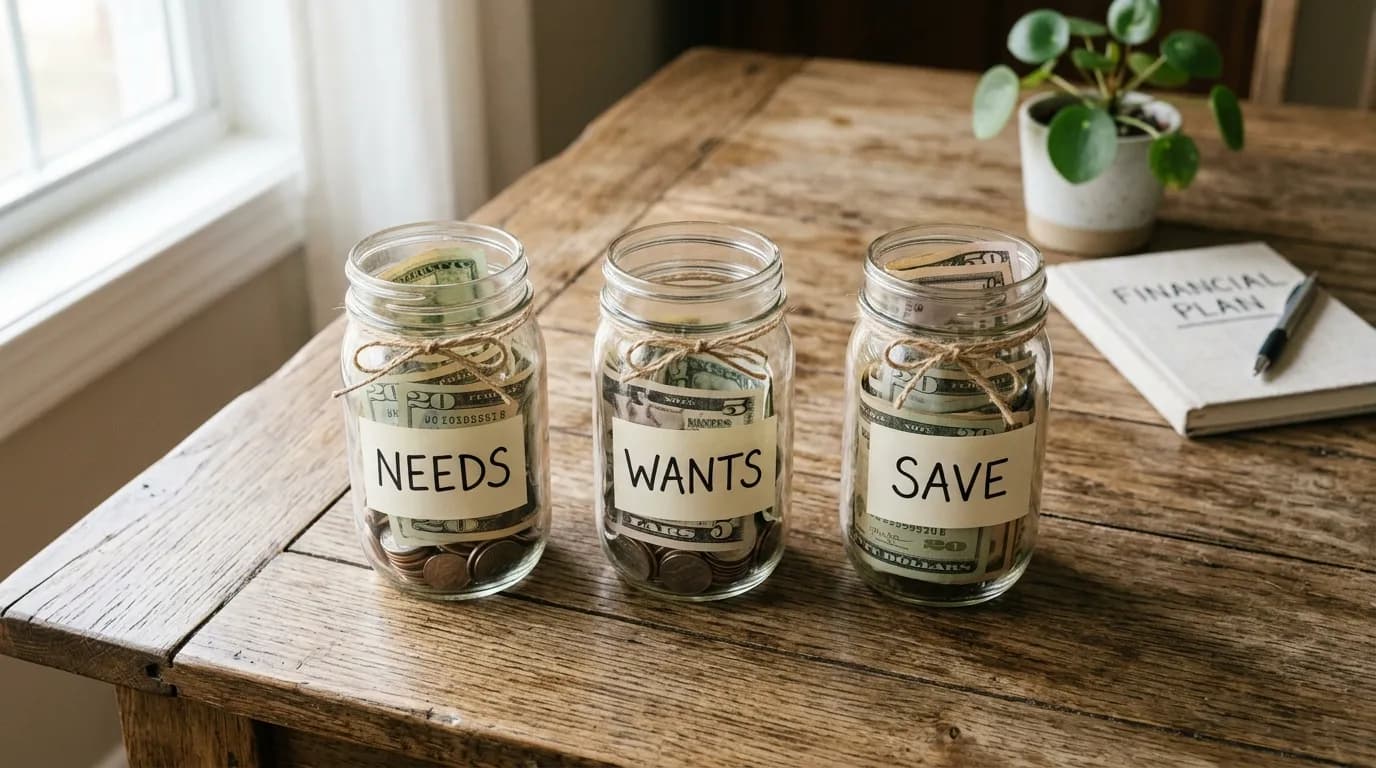

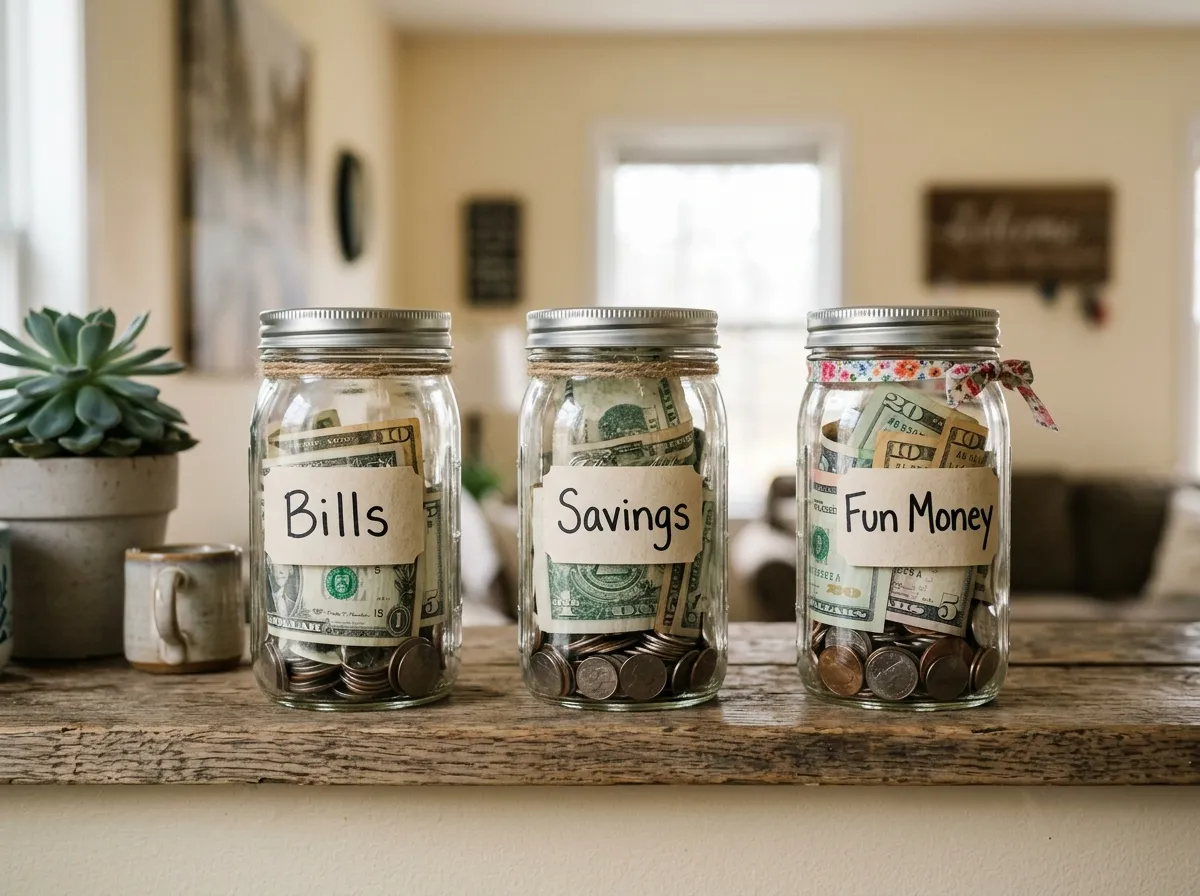
Your first paycheck is a chance to set defaults before lifestyle expands. The deposit feels like freedom, and it is—but freedom without a few rails tends to vanish between rideshares, food delivery, and “I earned this” shopping. All U Want’s money-basics checklist keeps the celebration and still builds three buckets on day one: bills you must pay, savings you skim off the top, and fun money you can spend without guilt.
This is not a lifelong austerity plan. It is a starter operating system for the first job, a return to work after a gap, an internship that finally pays, or the first time income is truly yours. Do the checklist once thoroughly. Review after two pay cycles. Adjust with reality instead of shame.
Why the first paycheck matters more than the tenth
Habits form around whatever happens automatically. If the first three deposits disappear into unstructured spending, your brain learns that income equals impulse. If the first three deposits follow a boring split—bills, save, enjoy—you learn that income equals a system. Systems scale when raises arrive. Impulse scales too, just in the wrong direction.
Employers, roommates, and family often assume you “figure it out.” Many people never get a calm walkthrough. This post is that walkthrough: concrete steps, plain numbers, and permission to keep fun money so the plan does not feel like punishment.
You do not need every advanced money skill yet. You need solvency, a savings reflex, and a spending lane that does not require secrecy. Everything else in money basics—emergency funds, debt attack, investing—builds faster when these three lanes exist.
1. List must-pay bills
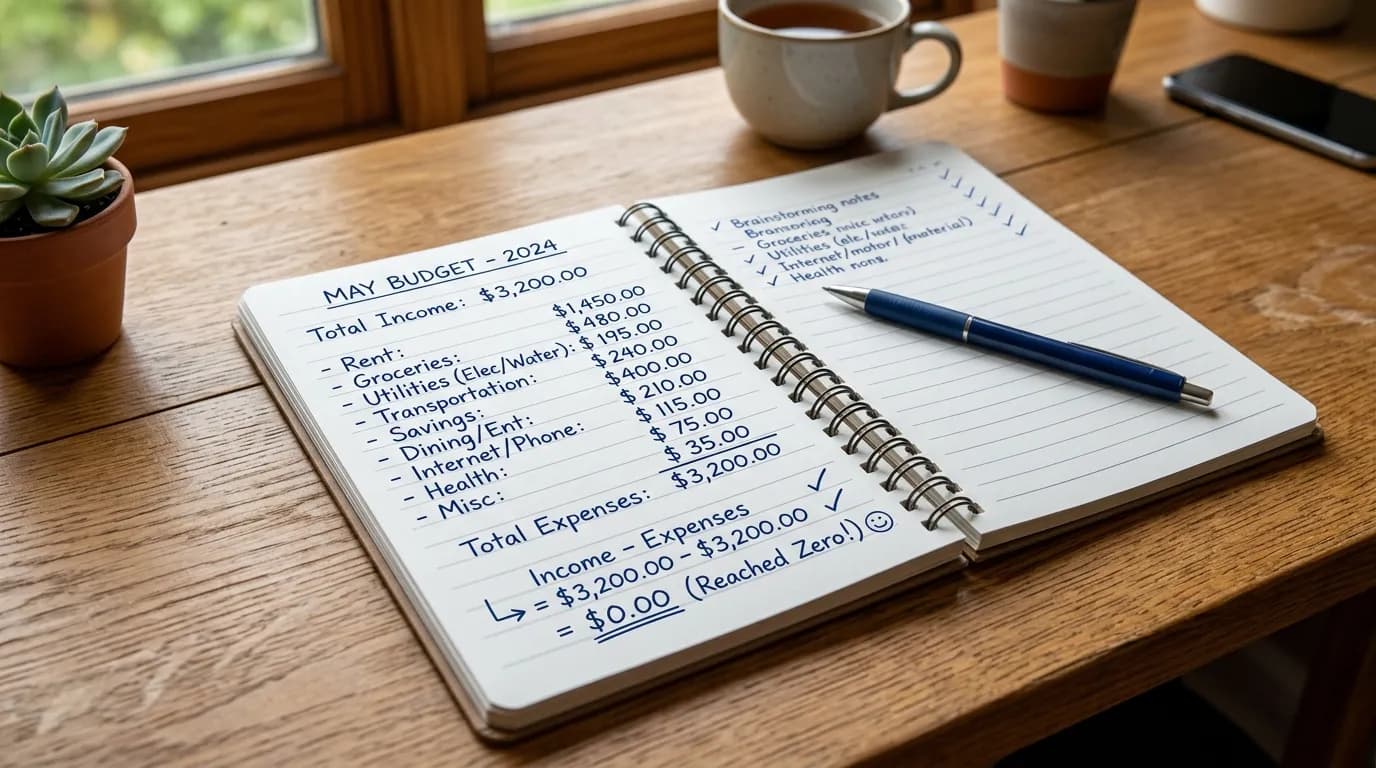
Rent share, phone, transport, and minimum debts come first. Write every obligation that would cause damage if skipped: housing, utilities you are responsible for, phone, internet if required for work or school, transit pass or fuel, insurance premiums, child-related costs, and any loan or credit minimums. Add due dates. Add amounts. If an amount varies, use a slightly high estimate for the first month.
Separate “must” from “familiar.” Streaming, niche apps, and daily premium coffee are not musts yet. They can live in fun money or wait until the must list fits comfortably inside the paycheck. First-paycheck energy loves to upgrade lifestyle in one weekend. Your future self prefers a boring week one.
If you share rent, get the number in writing—who pays which bill, by which date, through which method. Handshake math creates roommate conflict. Transfer rent early enough that processing delays do not make you “late” when you thought you were on time.
For variable costs like groceries and transit, set a starter cap based on last week’s spending or a modest estimate. You will refine it. The point is to stop pretending food is free because it is not a formal invoice.
Sum the must-pay list. Compare it to net pay (take-home, not gross). If must-pays already exceed income, stop lifestyle upgrades and solve the gap: extra hours, cheaper plan tiers, renegotiated split, or temporary help. A checklist cannot invent money; it can reveal the gap early while options still exist.
2. Automate a small savings cut
Even 5% builds the habit. Paying yourself first beats promising you will save “what is left.” What is left is unreliable. On payday—or the day before if your bank lags—move a fixed percentage or fixed dollar amount into a separate savings account. Start tiny if needed. Consistency beats heroic percentages you reverse in week two.
Where should it go? A high-yield savings account is nice; a basic separate account is enough. Separation matters more than optimization at this stage. If the money sits in checking, it will look spendable. If it sits in savings labeled “buffer” or “future,” it gets a psychological fence.
What is the savings for? First paycheck priority is usually a starter emergency buffer and any near-term known costs (work clothes, deposit, certification fee). You can split savings later into sinking funds. For now, one savings pocket beats zero.
If your employer offers retirement contributions with a match, learn the rules quickly. A match is income. Contribute at least enough to capture it if must-pays still clear. If cash is extremely tight, get must-pays and a micro emergency buffer stable first, then turn on the match as soon as the math allows. Do not ignore free money for months out of overwhelm—put a calendar reminder for thirty days out.
Raise the automation when you get a raise, a bonus, or when a bill disappears. Lifestyle can improve too—just not with one hundred percent of the increase. All U Want’s simple default: split raises between savings and visible enjoyment so the plan still feels human.
3. Set a fun money limit
Planned enjoyment prevents secret overspending. Fun money is a feature, not a leak. Decide a weekly or per-paycheck amount for restaurants, hobbies, games, clothes beyond basics, and social plans. Put it in a separate checking pocket if your bank supports sub-accounts, or track a running total in notes. When it is gone, you are done until next payday—unless you consciously borrow from next period and accept a smaller future week.
People who skip fun money often binge later and call themselves failures. People who set fun money spend it on purpose and still hit savings. The checklist works because it includes joy.
Be specific about gray areas. Is a work lunch fun or transport-adjacent? Is a date night fun or relationship maintenance? Pick a rule and keep it for a month. Consistency matters more than philosophical purity.
Cash envelopes still work if cards tempt you. Digital “fun” sub-accounts work if you are card-native. Choose the tool you will actually glance at on Friday night.
Social pressure is real on a first paycheck. Friends may assume your deposit means you can cover group dinners. A calm script helps: “I am on a set fun budget this month—happy to do the free park plan or split something smaller.” People who respect you will adapt. People who only like you as a wallet are expensive teachers.
4. Review after two pay cycles
Adjust categories based on reality. Your first estimate of groceries, transit, and fun will be wrong in places. That is data, not drama. After two paychecks, compare plan versus actual. Raise underfunded musts. Cut or reassign categories that were fantasy. Move leftover money deliberately: buffer, debt minimums above the minimum if you carry balances, or next month’s known cost.
Ask three questions: Did every must-pay clear without credit? Did savings automations run? Did fun money feel tight, loose, or about right? Tight every day means the fun limit is too low or must-pays are crowding everything. Loose every day with zero savings means the automation is too timid or skipped.
Also review paycheck details: taxes, benefits premiums, retirement deductions, parking. Gross-to-net surprises are common on paycheck one and two. Update your checklist to net reality, not offer-letter fantasy.
If you are paid biweekly, remember some months contain three deposits. Decide in advance that “third paycheck” months boost savings or buffer rather than silently becoming a shopping festival. That single rule builds wealth while feeling like a quirk of the calendar.
A day-of-deposit ritual
When the deposit posts, run a short ritual before you celebrate: confirm the amount, trigger or verify the savings transfer, pay or schedule any bills due before next payday, update your fun money balance, and only then spend on celebration—from fun money. Rituals prevent the classic pattern where celebration happens first and math happens never.
If your pay date falls on a weekend or holiday, know when funds actually become available. Planning rent around an assumed Friday that really lands Monday causes avoidable panic.
Keep login credentials for payroll, bank, and bill sites in a password manager. First-paycheck season is when people create weak passwords in a hurry and lose access during a due-date crunch.
Bills, savings, fun: example splits without dogma
Frameworks like 50/30/20 (needs, wants, savings) are maps, not laws. On a low first salary in a high-rent city, needs may exceed fifty percent. That does not mean you are failing. It means your split should reflect rent reality while still protecting a savings slice and a small fun lane. Shrink wants before erasing savings entirely. Shrink savings only to a micro amount rather than to zero if at all possible—zero teaches the wrong reflex.
Example pattern many beginners can start with: cover must-pays, automate five to ten percent to savings, assign a fixed fun number, and let whatever remains sit as flexible buffer in checking for irregular costs. If nothing remains, your fun number or a nonessential bill needs a cut.
Another pattern: percentage-based fun (say ten percent of net) so the joy lane grows with income without a committee meeting. Pair it with percentage-based savings so both rise together.
Avoid the trap of budgeting down to the last dollar on day one with seventeen categories. Three lanes beat seventeen abandoned categories. You can refine later when the basics feel automatic.
Bank setup that supports the checklist
Open a separate savings account before the second paycheck if you did not do it before the first. Same-bank savings is fine for starters; a different bank can add helpful friction later. Turn off overdraft “courtesy” if it encourages spending money you do not have. Enable transaction alerts for large amounts so surprise charges surface quickly.
Consider two checking identities if useful: primary for bills and paycheck, secondary for fun spending. Not required—just a tool. Direct deposit splits, where available, can send a percentage to savings automatically so you never see the full amount as spendable.
Keep a tiny manual log for the first month even if you plan to use an app later. Logging trains attention. Apps without attention become ignored dashboards.
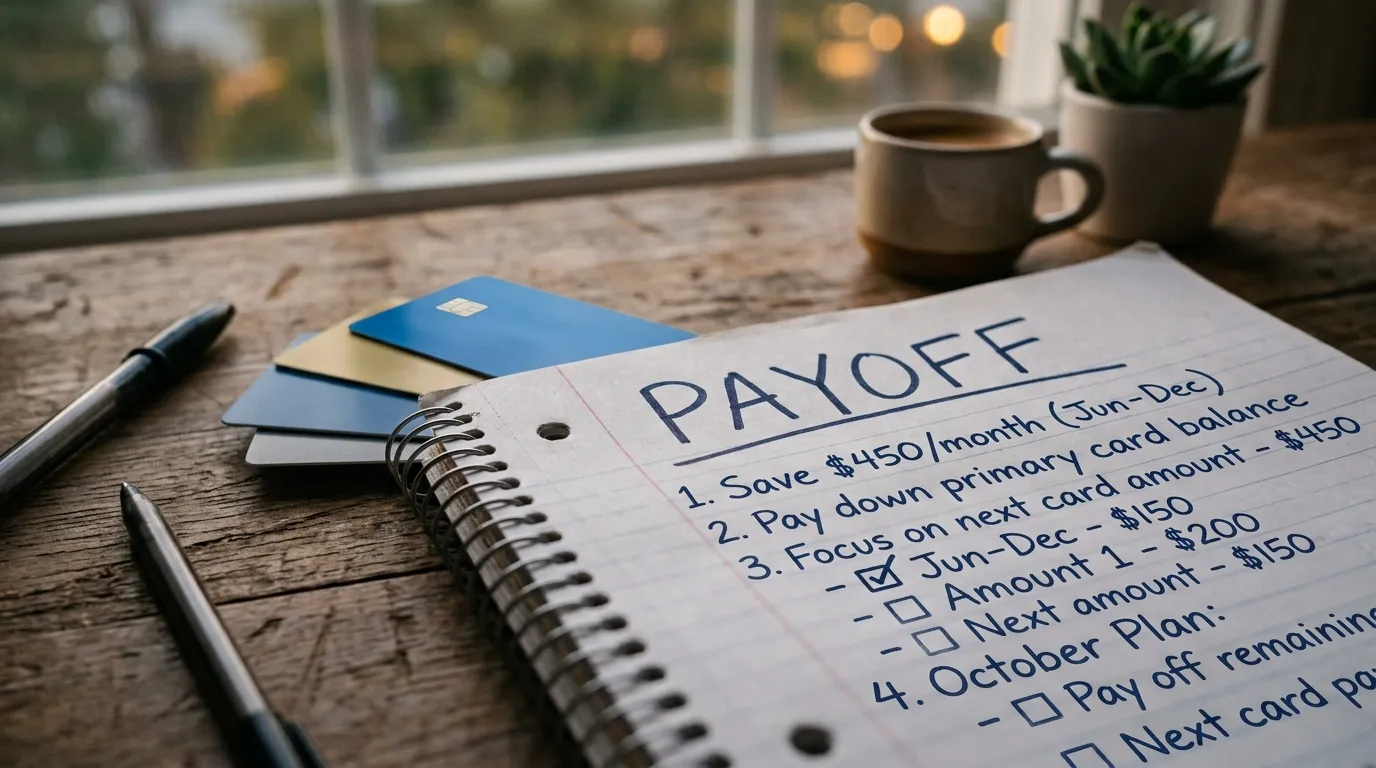
Debt on a first paycheck
If you already carry credit card balances, minimums belong in must-pays. Extra attack payments come after the savings automation and buffer starter begin, unless the APR is crushing and you are at risk of fees. The goal is to avoid a month where you pay debt aggressively, skip buffer, then put an emergency back on the card.
Student loan paperwork may show grace periods. Use grace time to set automation, not to ignore the future payment. When payments start, they join the must-pay list immediately.
Avoid financing lifestyle on day one—new phones on installment, furniture on store cards, buy-now-pay-later outfits. Your first paycheck should reduce future claims on your income, not multiply them.
Talking with family and roommates
Family may expect remittances or contributions. Put agreed amounts in the must-pay list so they are honored without destroying savings entirely. Silence creates resentment both ways. A clear number is kinder than a vague “I will help when I can” that never materializes—or a help pattern that leaves you broke.
Roommates should know your rent payment date. You should know theirs. Shared grocery systems need rules. First paycheck chaos doubles when three people improvise separately.
Quick tip
Open a separate savings account before the second paycheck. Name it something serious enough that you hesitate before transferring out for a whim. Automate even a small cut. Protect must-pays. Give fun money a number. Review twice. That is the whole checklist.
Common first-paycheck mistakes
Spending from gross numbers in your head. Upgrading housing or car before a buffer exists. Lending money you have not saved. Ignoring tax withholding surprises. Skipping fun money and then blowing a weekend. Building a complex budget template you never reopen. Comparing your starter setup to someone’s curated social feed.
Another mistake: waiting for the “right” budgeting philosophy before doing anything. The checklist is deliberately simple so you can act on deposit day. Philosophy can wait until month three.
One more: treating employer benefits orientation as optional fluff. Health premiums, transit benefits, and retirement matches change net pay and must-pay math. Bring those numbers into the checklist within the first two weeks.
After the checklist: gentle next skills
Once bills, savings, and fun money run for a month, add a weekly fifteen-minute money check-in, a basic spending track, and a clearer emergency fund target. Learn a simple budgeting framework when you want more structure. None of that replaces the first paycheck lanes—it layers on top.
If your income is irregular—tips, contract work, commissions—use the checklist on average conservative pay, not on your best week. Bank surplus from strong weeks into a holding category for weak weeks. Irregular income still deserves bills, savings, and fun; the amounts flex, the lanes do not disappear.
You are allowed to be proud of a boring setup. Boring means the rent cleared, savings moved, and Friday dinner came from fun money instead of a credit card. That is money basics working in real life.
FAQ
How long does this take? Block thirty minutes before your first deposit lands to list bills and set up transfers. After payday one, most people tighten categories in two short follow-ups across the first month.
Do I need special tools? Not on day one. A checking account, one savings bucket, and a notes app are enough. Fancy budget software helps only after the three-lane split feels normal.
What if my paycheck varies? Budget from a low estimate. Sweep extras to savings or a holding fund when pay is high.
How much fun money is reasonable? Enough that you will not secretly break the plan, small enough that must-pays and micro-savings still happen. Adjust after two cycles using real moods and real balances.
Should I save or pay debt first? Keep minimums current, start a small buffer, then point extras at high-interest debt. Erasing savings to zero usually backfires when life happens.
Related: Pay Yourself First · 50/30/20 Explained